
FAQ's
Answers to common questions about the project and process.
This page brings together answers to frequently asked questions about the Buller Plateaux Continuation Project (BPCP), covering the fast-track process, the application, and the Project's social, economic, environmental and community effects. This section will be updated as the assessment progresses in response to questions and comments raised. Please check this page for updates.
The Project
Where exactly is the Buller Plateaux Continuation Project (BPCP) located?
Approximately 15 kilometres northeast of Westport on the West Coast of the South Island, across the Stockton Plateau and the Denniston Plateau, known collectively as the Buller Plateaux.
The BPCP area seems to be big. Could it be smaller to avoid affecting areas that are currently undisturbed?
The proposed scale and design of the 25-year Project have been developed through extensive technical, environmental and economic assessments. Throughout this process, opportunities to avoid, reduce and manage potential impacts have been carefully considered where practicable, while ensuring the Project remains operationally and economically viable.
An important aspect of the Project is access to different grades of metallurgical coal, which are blended to produce the premium steelmaking coal required by customers. Reducing the Project footprint would limit access to these coal resources and may affect the Project's ability to produce the required customer products and maintain its long-term viability.
The proposed footprint therefore reflects a balance between environmental protection, resource access, operational requirements and economic considerations. The Project and its proposed scale will be subject to a comprehensive independent assessment by the Expert Panel as part of the approval process.
How long will the Project run?
The Project will run for 25 years. This includes a mining phase of around 18 years followed by an active rehabilitation phase.
How much coal will be produced?
Around 20 million tonnes of coking coal for export over the life of the project which maintains the current production rate at Stockton Mine of around 1 to 1.1 million tonnes per year.
Why is the Project being assessed under the Fast-track Approvals Act?
The Fast-track Approvals Act (FTAA) enables efficient and timely assessments of projects that deliver national and regional benefits, by combining multiple statutory approvals processes into a single pathway while requiring consideration of environmental effects, Treaty settlement interests and other relevant matters.
The FTAA requires the same technical and environmental assessment process as any other approval pathway. The application has been informed by 55 technical studies covering numerous topics from mining and water management to ecology, heritage, and socio-economic impacts.
Who is BT Mining Limited, and how are they involved in this Project?
BT Mining Limited is a joint-venture formed in 2017, between Bathurst Resources (65%) and Talleys Energy Limited (35%). BT Mining owns the Stockton Mine (on a coal mining licence), Cypress Mine and proposed Mount Frederick South pit on the Upper Waimangaroa mining permit. The remaining Project areas including the Escarpment Mine and Sullivan Mine are held 100% by Bathurst Resources and its subsidiary companies Bathurst Coal Limited and Buller Coal Limited. The four companies are applying for the Project together. In the context of the FAQs, the applicant is collectively referred to as Bathurst.
Why build a private haul road instead of using public roads?
The Upper Waimangaroa Haul Road (UWHR) will link the Escarpment Extended and Mount Frederick South mining areas to the existing coal handling and processing infrastructure at Stockton Mine, avoiding the need to construct major new infrastructure on the Denniston Plateau. The UWHR will also minimise the need to transport coal on public roads to Ngākawau.
Stockton Mine’s current Coal Mining Licence expires in 2027, what happens then?
Stockton Mine relies on historical privileges including the Coal Mining Licence expiring in March 2027. Once the Project is formerly accepted into the process, there is legal provision known as ‘grandfathering’ in the Fast-track Approvals Act that allows for the continuation of existing authorised activities during the assessment process. These authorised activities will apply until a determination on the application is made.
Will there be any changes to the mining method?
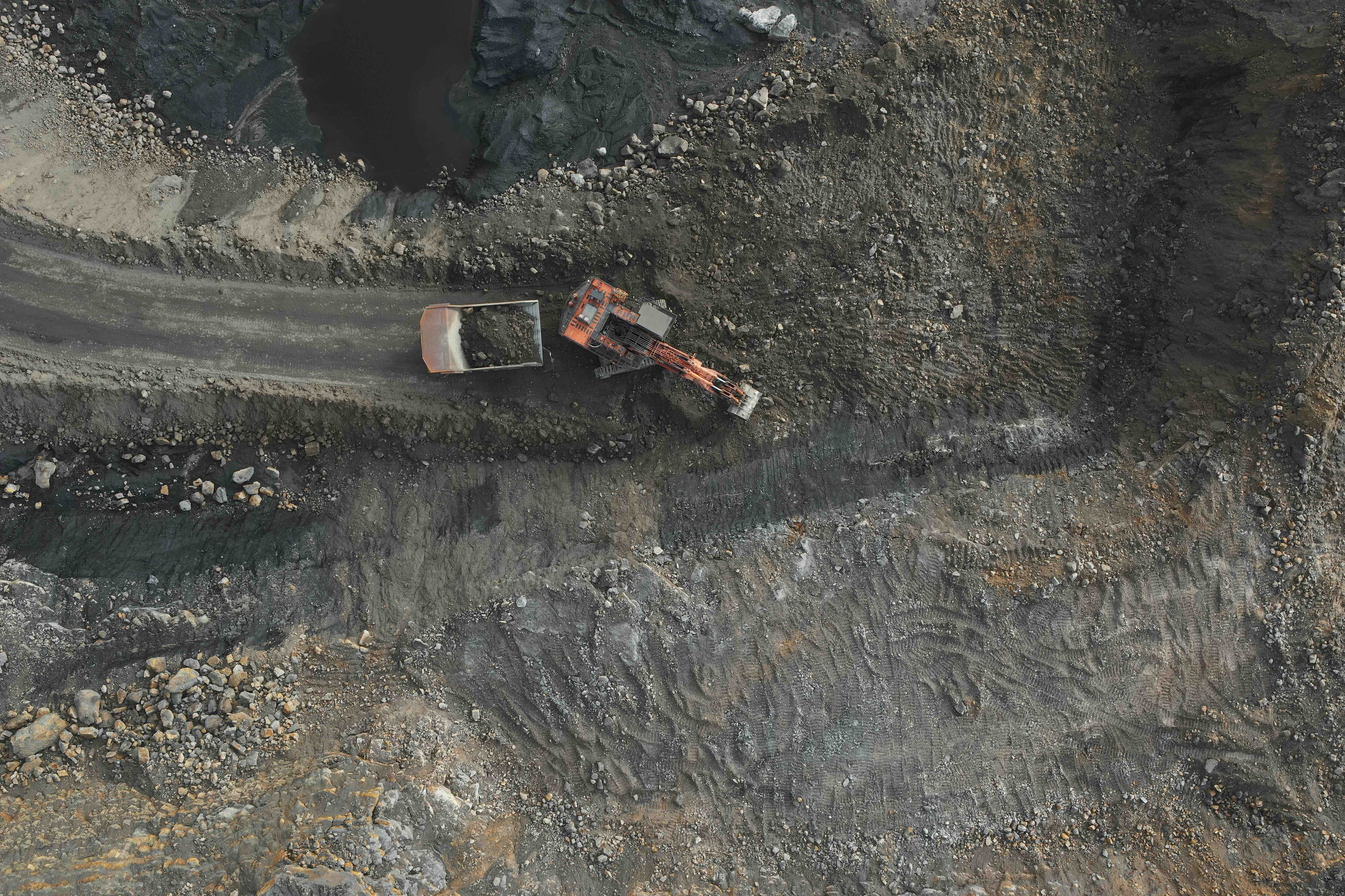
No. Mining will utilise the same drill-and-blast, load and haul open-cast methods as Stockton does currently, and utilise the same coal handling and processing infrastructure at the Stockton Mine, aerial ropeway, and rail load out facility at Ngākawau.
What are the hours of operation?
We propose that the BPCP will continue to operate as currently consented (24 hours per day, and 7 days per week).
How many people will be employed?
The Stockton mine employs approximately 390 people, directly and indirectly. These positions would continue if the Project were approved. We also engage contractors to support the mine’s operation, and numbers vary depending on operational requirements. A further 50 people outside the West Coast region will also be involved in the Project. There will be an average of 66 extra workers during the Project construction phases.
Will there be a need to employ more mine workers?
It is likely that we will retain current workforce numbers. Employment opportunities do arise from time to time and there may be specific campaigns where more mine workers are needed (for example, during the initial construction of new areas).
What is the history of mining at Stockton?
Mining started at this subalpine site near Westport in the late 1800s, initially underground with open-cast mining commencing at Stockton Mine in the 1940’s. Today the Stockton Plateau comprises several pits containing coal resources of different grades and characteristics.
The Project proposes to continue this tradition by extending its mining operations via the continuation of existing and securing new mine extension areas across the Buller Plateaux.
What is special about Buller coal?
New Zealand’s coking coal has two key points of difference to other seaborne coking coals:
1. High vitrinite, the part of coal which swells and softens in coke making
2. Low ash, which reduces fuel use to melt the ash, improves coke strength and reduces the slag rate in the furnace.
These factors mean that using a small amount of New Zealand coal reduces the total amount of coal needed to make the same amount of steel. The coal is highly sought after due to the above mentioned properties as an efficient resource for steel making, improving customers’ productivities through lower fuel input rates and providing lower CO2 emissions.
What is steel used for?
Steel is essential to all facets of modern everyday life. At this stage there is no scalable alternative to metallurgical coal for use in steel production. Steel is essential to all major renewable energy technologies, making it a critical material in the transition to a low-carbon economy.
What’s the difference between coking coal and thermal coal?
Coking coal is an industrial ingredient used to make steel. Thermal coal is traditionally burned for heat or for power generation (the exception to this is a New Zealand steel mill that uses thermal coal and iron sands to make coal in a bespoke process).
Our operations on the Buller Plateaux produce coking coal primarily for steel production. It is classified as a critical mineral in New Zealand.
What about emissions from coal?
Our customers use this coal because of its efficiency - meaning less coal needed per tonne of steel produced, also leading to lower CO2 emissions per tonne of steel and lower raw material input costs, than would occur using inferior quality coals.
Why should New Zealand approve a 25-year coal mining project during a climate crisis?
Not only does this Project protect 390 jobs on the West Coast, but it will also provide millions of dollars into the local, regional and national economy. Alongside this, steel remains essential to modern life and global development. Until low-emissions steelmaking technologies become commercially viable at scale, metallurgical coal remains a necessary input for traditional steel production.
The Project supports a continuing global demand that currently cannot be met through alternative technologies alone. Steel is a fundamental component in all major renewable energy sources such as wind turbines and solar infrastructure, making it essential to the transition to a lower-carbon economy.
Process and Engagement
What approvals are being sort as part of the application?
There are multiple approval types that are being applied for under the BPCP application. They are regional and district resource consents (Resource Management Act 1991), mining permits and access arrangements (Crown Minerals Act 1991), wildlife authorities (Wildlife Act 1953), concessions (Conservation Act 1987), freshwater fisheries exemptions and authorisations (Freshwater Fisheries Regulations 1983) and archaeological authorities (Heritage New Zealand Pouhere Taonga Act 2014).
Are environmental studies being done?
Yes: Many years of baseline data collection has resulted in 55 technical studies having been prepared, covering water, ecology, traffic, noise, heritage, social and economic effects, rehabilitation and more, as well as 25 corresponding management plans. The key environmental studies, including the Social Impact Assessment, and Economic Impact Assessment have been independently peer reviewed.
Isn't Fast-track simply a way to avoid scrutiny?
No. The Fast-track process still requires robust environmental assessment and expert review. The BPCP has developed 55 environmental effects and technical reports and 25 associated management plans. Key technical reports have been subject to independent peer review before submission. The EPA appointed Expert Panel will apply a high level of scrutiny on the environmental and technical specialist reports that have been prepared.
Why should the public trust a process that limits appeal rights?
The Fast-track process provides a more streamlined pathway for nationally and regionally significant projects, while maintaining appropriate environmental assessment requirements. We have implemented a rigorous environmental assessment process including independent review of key environmental and technical specialist reports.
We have also undertaken extensive consultation and engagement with communities and stakeholders. It is not about weakening a process, but simply about reducing unnecessary duplication and delays for projects that are important to the regional and national economy.
If your environmental management is so strong, why do you need fast-track?
The fast-track process is about efficiency, not reducing standards. It allows environmental, economic and social considerations to be assessed together through a coordinated process. We would not, and have not, argued for a lowering of environmental standards.
Why is the Project being pursued through the Fast-track Approvals process, and how can the public have confidence that environmental standards and public scrutiny will be maintained?
The Fast-track Approvals Act process is designed to provide a more efficient pathway for projects of regional and national significance by reducing unnecessary application duplication and delays, while still requiring comprehensive environmental, social and economic assessments. It is not intended to lower environmental standards or weaken scrutiny.
The Project has been supported by extensive technical, environmental and social and economic investigations, including independent review of key specialist assessments. We have also undertaken significant consultation and engagement with iwi, communities, stakeholders and regulators throughout the Project’s development.
From our perspective, the fast-track process allows all relevant environmental, social and economic considerations to be assessed through a coordinated and transparent framework instead of through multiple single authority applications. We have not sought, and do not support, any reduction in environmental standards. Rather, the process is intended to ensure that important projects can be assessed efficiently while maintaining robust environmental safeguards and independent decision-making. The application and supporting information will be considered by an independent Expert Panel appointed by the EPA, which will determine whether the Project meets the required statutory and environmental tests.
Have you engaged with Ministers or political parties about the Project?
We engage openly and transparently with elected representatives across the political spectrum, consistent with normal practice for a major project. We have welcomed Members of Parliament from all parties to visit our sites so they can see firsthand how our existing mine operates, the standards we apply, and the potential benefits for local communities, the wider region and the national economy. We continue to extend that same invitation to any MPs who have not yet visited and wish to learn more.
When will the BPCP be decided?
Having lodged our Fast-track application, we will be seeking to receive approval as soon as practicable.
How can the community stay informed?
Bathurst will notify the community of significant steps in the process, hold further information sessions, update stakeholders and mana whenua as the assessment progresses, and provide information on the Project website. The application and all assessment activities and documentation will be available publicly on the EPA website.
Can people still ask questions?
Yes. Engagement will continue during assessment of the Fast-track application, if approved, throughout the life of the Project. Feedback is welcomed at any time through community sessions, the Project website, or by contacting Bathurst directly on the Project email info@bpcp.co.nz
Socio-economic
How much will the Project contribute to New Zealand’s economy?
Between $661 million and $957 million through to 2042, compared to $72–$73 million if the mine were to close in 2027.
The Project will continue to make a significant social and economic contribution to Westport, the West Coast region, and the New Zealand economy. Socio-economic studies undertaken by the Aigis Group demonstrate that our contribution is significant.
How many jobs does the Project support?
Estimated as 390 positions on the West Coast, with an additional 50 jobs elsewhere within New Zealand. There will also be an average of 66 extra workers during construction phases. Positions fluctuate slightly depending on operational and maintenance requirements.
Who benefits from these jobs?
96% of the workforce lives in the Buller District, and 84% of the total in or around Westport. This means there is a direct economic and social contribution to the local economy by direct spending and participation is everyday social life.
What about households that depend on the mine?
The Project is estimated to provide a stable income for more than 770 people (employees and their families), and employees collectively hold around $110 million in local housing. Income stability supports better health outcomes, financial independence, and stronger community ties.
What contribution do our employees make to the local economy other that direct spending?
Mining households contribute to the social fabric of the area by home ownership, localised spending on goods and services, participation in community events and activities such as civil defence and emergency management, sporting, culture and volunteering.
For example, during major events like the 2021 Westport floods, Bathurst’s staff, vehicles, heavy machinery, and skilled operators supported Civil Defence, and the Buller District Council. Stakeholders have said no other organisation in the region can match this capacity.
What other benefits are there?
The BPCP delivers material benefits as it continues an established operation. Economically, it would provide ongoing employment for over 390 direct jobs and approximately 50 supporting jobs and with the workforce overwhelmingly local — 96% living within the district and 84% in Westport and surrounding area.
Wages contributed approximately $40 million to the West Coast economy in FY25, while more than 125 local businesses received around $75 million in mining-related annual expenditure, sustaining trades, suppliers, schools and community organisations.
Ecology
How is the environment managed under the fast-track legislation?
Applications under the Fast-track Approvals Act 2024 require assessments of environmental effects and require that measures be put in place to manage those effects. An assessment of environmental effects (AEE) is required for all types of approvals being applied for under the application. Applying for one fast-track application avoids multiple applications under several pieces of legislation all using the same environmental effects assessments to be applied for at the same time. This allows for the effects of the entire Project to be assessed together coherently and efficiently.
We have commissioned 55 technical studies covering biodiversity, ground and surface water, traffic, noise, visual and light effects, air quality, greenhouse gas emissions, heritage, social and economic effects, mine closure, rehabilitation and more, as well as 25 related management plans.
How credible are these technical reports?
Bathurst has engaged experienced and well-recognised experts across a range of disciplines to undertake baseline investigations and prepare technical assessments and management plans.
Key technical reports have also been independently peer reviewed, providing additional assurance that the assessment of environmental effects is robust, comprehensive and well supported by technical evidence.
The Powelliphanta snail is mentioned a lot — what’s the situation?
Powelliphanta patrickensis is a large native land snail unique to the Buller Plateaux. Predators (weka, rats, mice and possums) are killing them at around 10% a year. Without intervention, the population is expected to fall to 4% of current levels within 30 years. Inside the Project’s proposed predator-proof fences, the population is predicted to grow by up to 17% a year.
How does mining help native species when it removes some habitat?
The BPCP proposes to fund large-scale predator control across 27,500 hectares — well beyond the mine footprint. Without it, native species are forecast to keep declining. With it, the Project area moves from “decline” to “recovery.”
What about the rōroa (great-spotted kiwi)?
As part of the proposed residual effects package, Bathurst would implement a wider pest and predator control programme across 29,000 hectares of landscape-scale management and a 1,500-hectare intensive predator control area, supporting kiwi conservation. The package will also benefit many other species. The proposed program will be complementary to the existing compensation commitments for pest and predator control already committed to by Bathurst and BT Mining. These are 1,000 ha in the Ōpārara (Ōpārara Kiwi Treatment Area - Cypress Mine), over 10,000 ha in the Heaphy with a 3-kilometre buffer, which totals over 24,000 ha (Heaphy Biodiversity Enhancement Area – Escarpment Mine) and close to 5,000 ha on Denniston Plateau (Denniston Biodiversity Enhancement Area - Escarpment Mine).
How are environmental effects considered in mine planning?
Ecological and biodiversity field surveys have mapped more than 10,000 hectares of the plateaux, to identify native flora and fauna species. This information has been used to inform the mine plan and as such the proposed mine disturbance area has been designed to minimise disturbance wherever possible on the high value habitat. Where avoidance and mitigation of ecology effects cannot be completed, the Project is proposing a comprehensive residual effects package for up to 50 years.
Mine rehabilitation and closure are incorporated into mine planning and design, allowing for progressive rehabilitation to be undertaken to return the disturbed area to a safe, stable and self-sustaining land scape as soon as practical. At Stockton Mine, over 500 ha of rehabilitation has already been successfully completed.
Water
Who is responsible for water management on the Stockton Plateau?
When Bathurst acquired the Stockton Mine in 2017, the Crown continued (via a Deed of Indemnity signed by Crown, Councils and BT Mining) being responsible for liability for legacy acid mine drainage (AMD) from ~120-130 years of historical mining operations (1890s to 2017) as it had with the previous owner Solid Energy. Bathurst is contracted to manage the Crown’s AMD liability (and historical land rehabilitation) on its behalf. The Crown reimburses Bathurst for the cost of this management. This arrangement was put in place by the Crown for the following main reasons:
- Having an operator on site to continue mining allows for cost synergies (for example a new sump can treat both legacy and Bathurst AMD, so the capital and operational costs are shared) which brings down the costs to the Crown of treating its AMD legacy;
- Bathurst’s mining operations can reduce legacy AMD by mining through problematic areas and/or capping existing open areas along with other rehabilitation activities;
- It avoids the Crown having to mobilise staff and equipment solely for the purpose of AMD management;
- Treatment of Stockton Plateau AMD is ongoing and will be needed well into the future.
It is noted that at the end of its operations Bathurst has a legal obligation to leave in place its AMD water treatment facilities and infrastructure for the Crown to take over and continue AMD treatment.
All AMD generated by mining/disturbing acid producing waste rock post 2016 is 100% the liability of Bathurst. Bathurst must, and does, post a bond, reviewed annually, with the Crown to cover the costs of treatment of AMD caused by our mining operations (this is called the Terminal Payment Bond)
At Stockton mine, and the additional areas applied for under the FTAA, water will be managed at proposed areas. In terms of our responsibility, that applies to managing the effects of our own operations following a detailed AMD management plan. The AMD management and treatment bond will be reviewed and posted annually to ensure funds are available to both implement and complete the AMD management plan.
All water, including Crown legacy AMD from previous mining operations, is treated to meet strict environmental guidelines before being released into the environment. Mine planning for the BPCP has involved extensive testing of materials to identify potential acid forming rock where point source controls can be deployed. This strategy is an effective way to manage and therefore reduce AMD at its source rather than relying solely on downstream water treatment systems. Active and passive water treatment systems are proposed throughout mining. A period of treatment and monitoring water discharge will remain in place post mining in order to ensure there are no long-term legacy issues.
What is acid mine drainage (AMD), and how is it managed?
AMD occurs on the Buller Plateaux when the iron sulfides in rock material unearthed by mining activity interact with water and air and oxidise. The process creates sulfuric acid, a corrosive acid capable of breaking down surrounding rocks, which can cause metals to enter and eventually dissolve into surrounding waterways.
AMD will continue to be produced from uncovered potentially acid forming (PAF) rock material until such time as the process is complete or the rock material is encapsulated in such a way (i.e. weathered granite capping at Stockton) that oxygen and/or water ingress is excluded or reduced to very minimal levels. A timeframe of 100 years is commonly applied to this process where the rock material is left exposed.
The Project minimises acid production by separating high-risk acid producing rock from low-risk acid producing rock and burying the high-risk rock inside engineered landforms to reduce exposure to air and water. Remnant acid mine drainage will be collected and actively treated by neutralisation to both increase the pH and extract heavy metals to meet ecologically sustainable criteria before releasing treated discharge into the receiving environment.
Sludge with traces of heavy metals that settle with other sedimentary material during AMD treatment is regularly removed, dewatered, and co- disposed in engineered landforms.
As acid loads reduce with time, there is a management plan to transfer from active treatment to passive treatment, which involves the use of mussel shell reactors (MSR) to passively treat AMD. MSR’s have been used successfully for over 15 years at Stockton and Escarpment mines.
What is an engineered landform (ELF)?
A purpose-built structure designed to manage overburden material that sits above the coal seam. Potentially acid-forming material is compacted, encapsulated in non-acid forming material, dosed with limestone, and capped to reduce contact with air and water.
How do you treat water during mining, and after mining stops?
During mining, active water treatment plants use lime (calcium oxide) to neutralise acidity and reduce metals — more than 99% effective for dissolved iron and aluminium. After closure, water is proposed to pass through passive systems, such as the mussel shell bioreactors that use recycled mussel shells to neutralise acid and reduce metals.
Will rivers and streams be monitored?
Yes. Water quality is monitored both by real-time equipment and regular manual sampling. Water is not discharged from the mine into the surrounding waterways unless it meets water quality guidelines set by regulators.
What outcomes of AMD management at Stockton can be expected?
Project aims include continuous improvement in water quality in the Ngākawau River catchment, and to recover Stockton Plateau streams impacted by historical AMD to a level that will sustain aquatic ecology and mahinga kai (customary food gathering) values within three generations (80 years).
Who else is involved in AMD management?
We have been working with The Treasury, local iwi Te Rūnanga o Ngāti Waewae, technical experts and an Expert Advisory Group to develop options for long-term treatment. Since late 2025, Land Information New Zealand (LINZ) is leading a preferred option for Crown approval. This will extend AMD management into a new waterway, and test five additional waterways over five years to refine AMD management methods, for each waterway. The outcome will be a net positive legacy for the West Coast.
Will the Project affect drinking water or farm water supplies?
Studies demonstrate that the Project will not adversely affect groundwater or downstream water supplies. Any discharges would be subject to consent conditions controlling both quality and flow.
Amenity
Noise, vibration, air quality, traffic and visual effects have been assessed, with management measures proposed to minimise effects on the local community, residents and recreational users of the plateaux. Residents are not expected to experience noticeable effects from the day-to-day operation of the mine. No changes are proposed to the Ngākawau rail loadout facility, meaning residents are not expected to experience any material change to existing amenity.
Construction traffic will utilise Denniston Road over a period of 18 months to two years. Traffic will be managed through a Traffic Management Plan and physical road upgrades.
Mining activities will restrict public vehicle access to Mount Rochfort and the Mackley Track. A managed access protocol will be developed to minimise this effect. A Recreation User Group is proposed to provide a forum for ongoing engagement with stakeholders maintaining recreational access to the plateaux wherever safe and practicable.
Will I hear and see the proposed Project given the diverse elements?
Potential effects will vary depending on your location. If approved, the Project would be subject to conditions requiring Bathurst to monitor and manage effects such as noise, vibration, dust, traffic, visual impacts and night-time lighting through site-specific management plans. This is a well-established approach already used at our operating mines.
What about noise from the mine?
Day-to-day mining noise is not expected to be noticeable in nearby residential areas. The most noticeable source of operational noise is the existing rail loadout facility at Ngākawau, which forms part of Bathurst's current operations. There are no changes proposed to the current operation of this facility.
Will coal be trucked to market on public roads?
Rail remains the primary way coal is transported. Using rail keeps heavy vehicles off the public roading network and reduces disruption for local communities. Trucking on public roads would only be used in limited situations if required.
Recreation and Access
Will people still be able to access Mt Rochfort and the Mackley Track?
Yes. Access will be maintained for the life of the mine. For safety reasons, access will be managed, as this will pass through active mining areas that are subject the Health and Safety at Work Act 2015 and the Health and Safety at Work (Mining Operations and Quarrying Operations) Regulations 2017.
How will this access be managed?
Access will be provided on set days (to be determined), with the ability to apply for additional access for events. Clear rules and safety information will be provided. Walking and cycling access will continue along the haul road corridor.
Heritage
The Project area including historical mining areas at Denniston and Millerton are popular destinations for domestic and overseas visitors. Many people visit historical mining areas to see and experience the area’s rich mining history. The mine has been designed to avoid the many established heritage areas. Mining relics and artefacts found within the mining area will be recorded and where it is safe to do so recovered and temporarily stored. We will work with landowners and local heritage groups regarding the recording, recovery and future storage of these artefacts and relics.
What heritage exists on the plateaux?
The plateaux contain significant historic mining sites that tell the story of the West Coast's coal mining history, including remnants of historic coal mining infrastructure, mining sites and former settlements. Mining heritage remains an important part of the region's identity and connection to its past.
What happens if artefacts are found?
Artefacts will be recorded, assessed and protected where possible. Where appropriate, artefacts will be stored and managed in partnership with local museums and heritage groups.
Are Māori cultural values being considered?
Yes. Te Rūnanga o Ngāti Waewae has a formal role in assessing how projects such as this may affect Ngāi Tahu cultural, spiritual and environmental values. Te Rūnanga o Ngāti Waewae has prepared a Cultural Impact Assessment (CIA), which records Ngāti Waewae's assessment of the project's effects, drawing on a Te Ao Māori understanding of the interconnected relationship between land, water and life from the mountains to the sea. Engagement has also occurred with all Te Tau Ihu (Top of the South) iwi. The signatories to the West Coast Regional Council's Mana Whakahono ā Rohe, namely Te Rūnanga o Ngāi Tahu, Te Rūnanga o Ngāti Waewae and Te Rūnanga o Makaawhio, have also been informed of, and invited to participate in the process.
Mine Closure and Rehabilitation
What does rehabilitation actually involve?
Rehabilitation is the work undertaken during and after mining to establish stable landforms. It includes landform shaping, native vegetation establishment, habitat creation, waterway reconstruction, species management and ongoing monitoring to ensure environmental outcomes are achieved over the long term. To date, more than 500 hectares have been rehabilitated at Stockton Mine. Rehabilitation is a requirement of our operations and an important part of responsible mining.
Vegetation Direct Transfer (VDT) is a rehabilitation technique used at Stockton. What is it?
Before mining begins, areas are assessed for the potential for sections of native vegetation and the underlying soil to be carefully lifted as intact "mats". Once mining is complete and the land has been reshaped, these mats can be transferred to post mining landform areas. The process is a similar concept to transferring turf; however, it contains native plants and soils.
Where a suitable recipient area is not yet available, the mats are stored and monitored until it can be transferred to a new location. VDT is an effective rehabilitation technique because it retains native plants, seeds, soil organisms and natural soil processes, helping ecosystems re-establish more quickly than conventional planting methods.
Slash Direct Transfer (SDT) is another rehabilitation technique that is used. What is it?
Slash Direct Transfer (SDT) is a rehabilitation technique that involves transferring soil, woody material and vegetation debris from areas being mined to rehabilitation areas. SDT is used where Vegetation Direct Transfer (VDT) is not practicable, such as in areas that are too rocky or too steep for vegetation mats to be safely collected and/or efficiently moved. Transferring this material helps retain soil health, beneficial soil organisms and habitat features that support native species, including land snails. It also provides a suitable growing medium for native vegetation, helping rehabilitated areas establish more quickly.
Who decides what “successful” rehabilitation looks like?
Closure planning is a collaborative approach. Bathurst proposes to work with mana whenua, landowners and key regulators to develop rehabilitation objectives and criteria, informed by technical experts. At the completion of mining, closure is deemed successful once rehabilitation monitoring shows that completion criteria have been achieved and includes factors such as the land is safe and stable, water quality meets prescribed criteria, plant growth is sustainable, and that other elements of biodiversity are showing signs of recovery.
Will the public still be able to access the area after mining?
Yes. A network of tracks is proposed to be retained for recreation, heritage viewing and land management. The large haul roads will be reduced to smaller tracks for future access.
What happens to water treatment after the mine closes?
The Project will gradually transition from active water treatment to passive systems, such as mussel shell bioreactors or wetlands where required. These passive systems are low-maintenance, sustainable, and designed to improve water quality for decades, with limited intervention.
What happens if Bathurst goes bust, will we be left with a hole in the ground?
No. As part of modern mining in New Zealand, closure plans for a mine are developed, approved by regulators, and are in place before the commencement of mining operations. This includes mining companies lodging a financial bond annually, where an independent bond assessor determined the amount of the annual bond. This bond process is to ensure that the approved rehabilitation plans can be carried out, even if the company that carried out mining is no longer around to do the work, at no cost to the taxpayer or ratepayer.
Will you be done after 25 years or will you just ask for another extension?
We are seeking approval for a 25-year project. Any future proposal beyond that timeframe would be a matter for future consideration and would need to go through the appropriate regulatory processes that are in place at the time. Our focus today is on the Project that has been applied for.